

"Parents located in the northern part of London is looking for an exceptional and qualified instructor to support their youngest child on his initial journey to growing into an English gentleman."
Looking at this post, you might readily overlook the wording "beginning" as mere an expression.
Yet, it could be the most significant part of this distinctive position posting, as it seeks to hire a teacher for a 12-month-old.
Numerous of applications have now been sent in since the unidentified family published their call for the highly paid tutor, who has to be "someone very special".
In recent few weeks, the listing has received notice throughout the press, with several asking why?
Forward-Thinking Method
A tutoring expert, head and founder of Tutors International, which is helping the family in their hunt, explained that despite initial scepticism, he considered the concept "far sighted", and "progressive".
When he consulted the family, he said they recognized the atypical aspect of their demand, and how early in age their son is.
However, they stated that they "didn't want to wait any longer" to hire a tutor, as they had postponed until their firstborn was five, and by that point "cultural conditioning had already become established".
But what did the family refer to by "cultural bias"?
It's "all-encompassing", the expert responded. "The way you eat, the manner you speak".
He stated the firstborn had picked up "really subtle, body language" from the family, and had assumed their cultural habits. The family told the consultant they hoped to prevent the same situation to happen again with their infant.
The plan: To bring in a English tutor, who needs to speak with RP, to shape the baby right from the beginning.
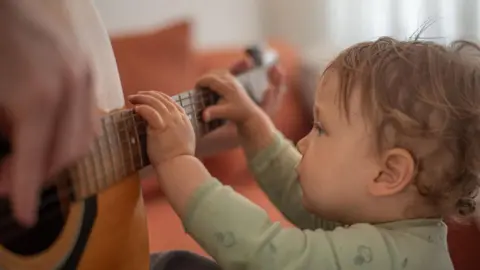
Osmotic Learning
"A lot of the learning at the outset here is rather absorbed naturally," explained Adam.
It's by means of this osmosis that the family are aiming the child will acquire the British traits they want to cultivate.
Adam said the tutor had to be an individual who went to "the right kinds of schools – the same kinds of schools as the family aspire to send their son to".
"The tutor just has to be the right kind of person, they'll be doing things they may not realize they're doing, just naturally," he commented.
Cost Not Relevant
The family explained to the expert the chosen tutor should ideally also have understanding of or interest in horse riding, winter sports, the arts and instrumental training so as to shape the child in a broad spectrum of interests.
Furthermore though, he explained the family wanted the tutor to sign up the child on a range of courses so the child would be "pony-riding and starting an musical instrument by the time they are around three years old".
In the family's perspective, guiding their son grow into a "British gentleman" will lead to accomplishment and create opportunities.
"Considering the advantages and disadvantages of that, because it's certainly a class statement," he notes.
However, in spite of all this tutelage in "UK identity", could the child pick up alleged cultural leaning from the international family he is raised by anyway?
"Certainly", replied the CEO. "The family know this could fail, but they've just taken the perspective of, 'we should try and we'll proceed as soon as we can', because the price of it is not a concern," he said.
Idealistic and Unrealistic
There are some in the education sector who express these concerns.
Peter Cui, CEO and founder of an educational organization, who supplies individual instructors, wrote that "the journey of embracing two identities, or indeed, forming one's identity, is something that must be lived into, not designed."
Peter noted that he had relocated from the Far East to the Britain at the period of seven, and had been brought up experiencing and living both cultures. He continued to study at a prestigious UK institution.
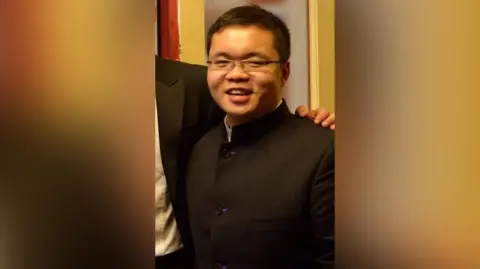
"The concept that a single person can act as a embodiment of English culture, a person who can in some way transplant the attributes of a UK sophisticate upon a infant child, appears idealistic and impractical," he stated.
"Based on my background, engaging a typically British tutor from early childhood will does not automatically achieve the goal they want.
"I never had such a figure, and yet I have been privileged enough to experience several of the opportunities they hope for their son."
He continued: "The fact is, cultural identity cannot be forced from the outside; it must be embraced, and it must be internally driven."
Acquiring Englishness
Of course, English culture is something the expert thinks can be taught – and commercialized.
"I believe the fact that the international society views us in this light is something that we should be cherishing|valuing|appreciating


